
Recent discoveries of asbestos-contaminated children’s play sand (Kinetic Sand) have triggered safety alerts across the country. In the ACT, immediate action has been taken with several schools closed as a precaution. WorkSafe ACT has released a statement confirming that safety management and remediation processes are underway. We now wait to see whether other state and territory WorkSafe departments follow suit.
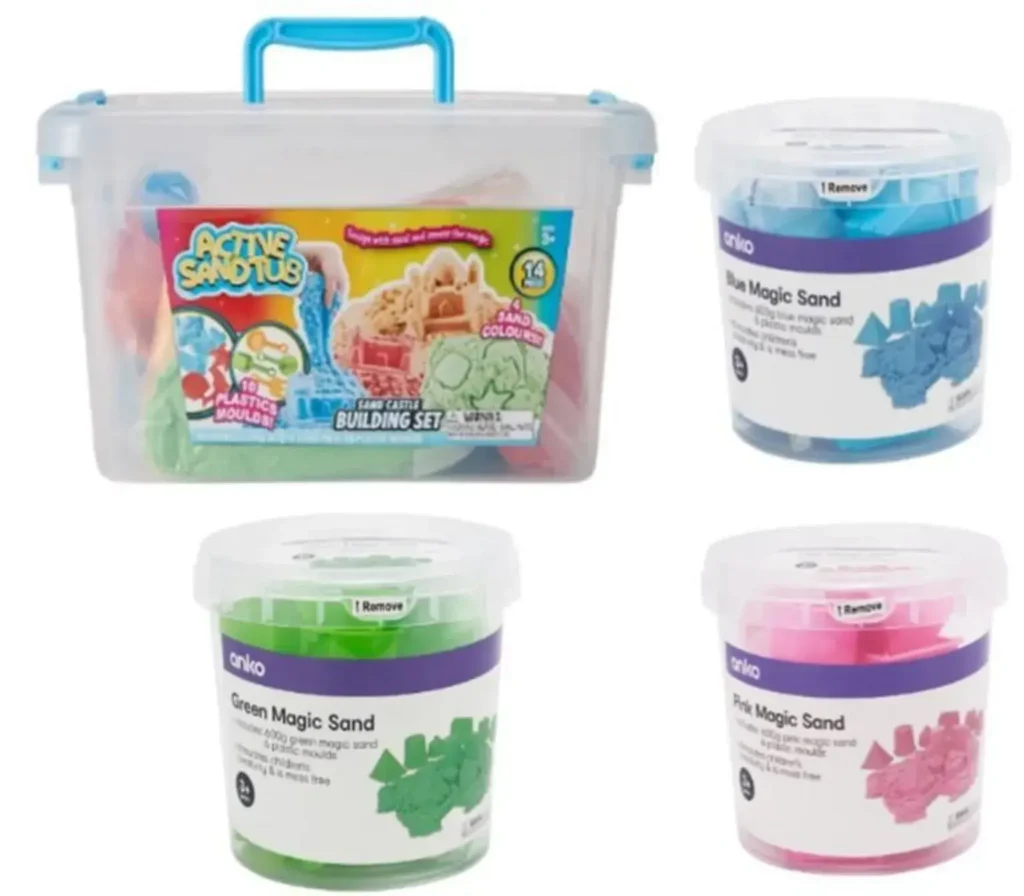
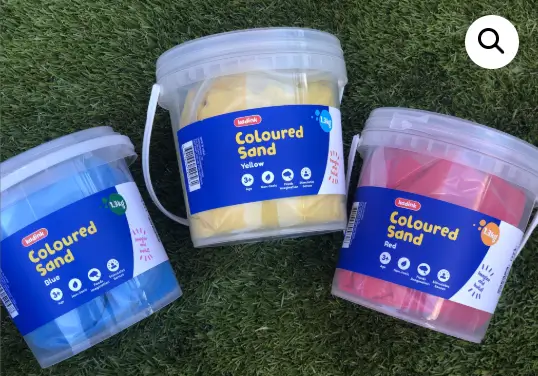
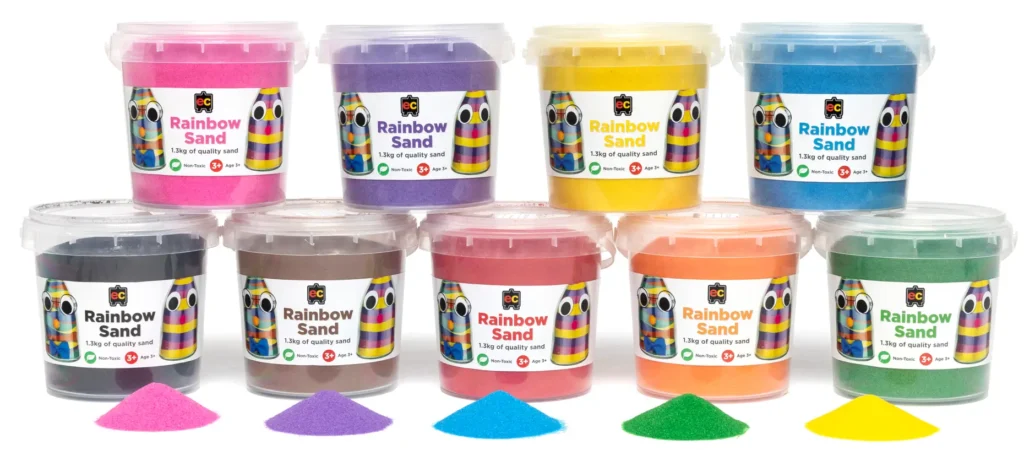
The affected sand, sold under names like Kinetic Sand, Rainbow Sand, Kadink Sand, Creatistics Sand, and others, has been distributed through major retailers including Officeworks, Kmart, Zart Art, Modern Teaching Aids, and Educating Kids. Alarming reports suggest this may have been on the market for over five years.
For disposal information please read our guide: Where to Dispose of Asbestos Sand in Western Australia
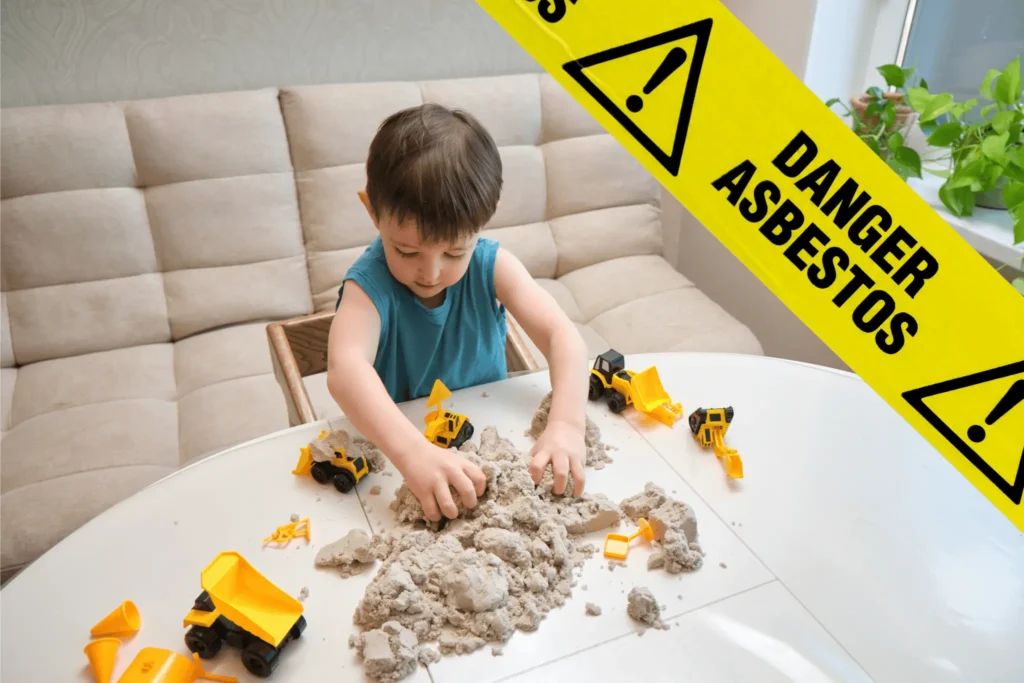
Testing has identified the presence of two asbestos types in the sand:
- Chrysotile (white asbestos) – the most commonly used asbestos globally.
- Tremolite (amphibole asbestos) – often found as a contaminant in other materials.
Understanding the Six Types of Asbestos Recognised in Australia
- Chrysotile (white) – Used in roofing, ceilings, and flooring materials.
- Amosite (brown) – Common in cement sheets and insulation.
- Crocidolite (blue) – Mined at WA’s infamous Wittenoom site and considered the most dangerous, often used in insulation and sprayed-on coatings.
- Anthophyllite – Less common but present in some construction materials and minerals.
- Tremolite & Actinolite – Typically found as contaminants, but still hazardous.
Regardless of the type or quantity, there is no known safe level of asbestos exposure. Even trace amounts pose serious health risks.
Example Products
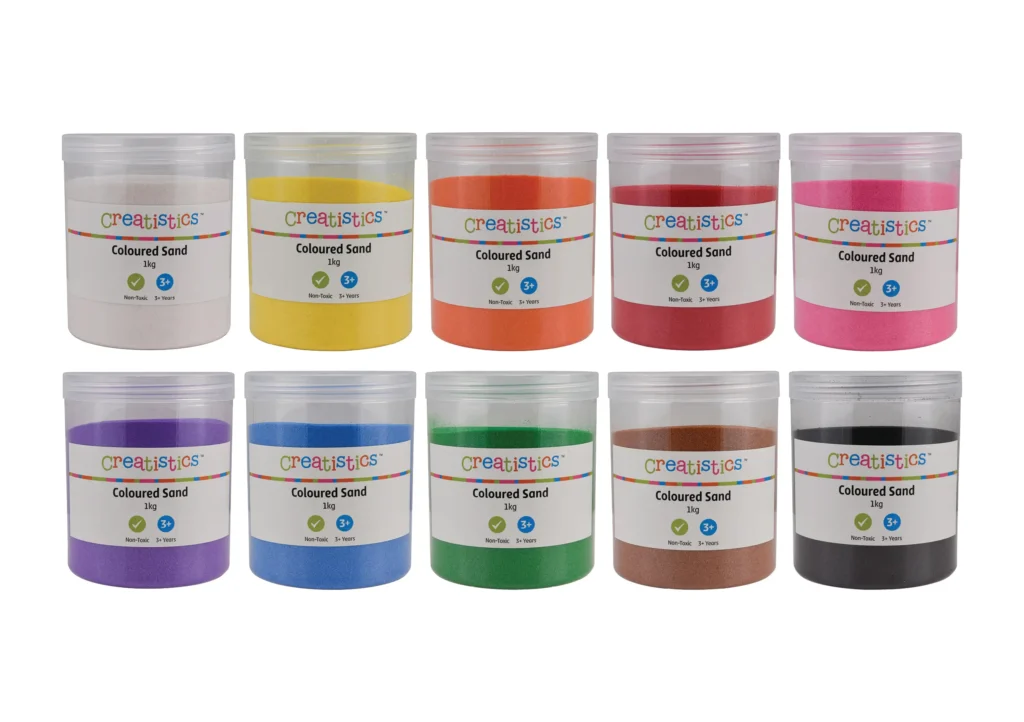
Safe Handling and Testing – What to Do and What to Avoid
Do:
- Engage licensed asbestos professionals for testing or removal
- Wear appropriate PPE and fit-tested RPE
- Establish controlled work and decontamination zones
- Keep materials damp where possible
- Use only HEPA-certified vacuums and wet wipes
- Ensure all tools are cleaned and decontaminated
- Label and double-bag all waste
- Transport and dispose of asbestos waste legally and responsibly
Do Not:
- Use power tools on suspected asbestos materials
- Vacuum with household-grade cleaners
- Use brooms, brushes, or blowers on debris
- Break asbestos to make it easier to collect
- Use high-pressure water or dry sanding techniques
Why This Matters
Asbestos is a naturally occurring mineral found widely in Australia. Its fibres are between 50 to 200 times thinner than a human hair, invisible to the eye, and can remain airborne for long periods. Once inhaled, they embed in the lungs and can cause serious, often fatal, diseases decades later.
Though asbestos was banned from new domestic building products in the late 1980s, a total ban on its importation, sale, and use was not implemented until December 2003. Sadly, Australia remains one of the world leaders in asbestos-related disease and mortality.
What You Can Do
If you suspect asbestos sand in your home, workplace, or childcare environment, don’t take chances. Engage a trained professional for testing and risk assessment. The stakes are simply too high.
At Dingo Services, we’re licensed asbestos removal specialists with experience across WA’s metro, regional, and remote areas. Our trained surveyors and assessors can conduct site inspections, identify risks, and provide clear guidance or reassurance.


