
If you’ve got an old shed in the backyard, you’re not alone. Thousands of homes across Western Australia – especially in Perth’s older suburbs – still have garden sheds and workshops-built decades ago. And while they might seem solid and serviceable, many of these structures were made using materials that now pose a health risk: namely, asbestos.
So how do you know if your garden shed contains asbestos? And what should you do about it?
This article will help you understand the signs, risks, and steps involved in identifying and safely removing asbestos from sheds and outbuildings.
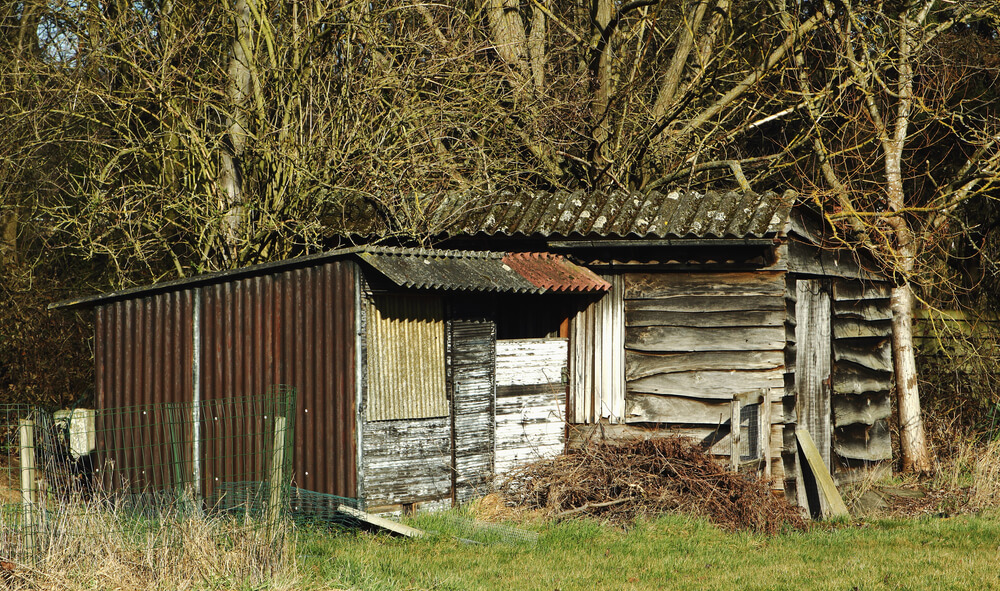
Why Sheds Were Built with Asbestos
During the post-war housing boom, and right up to it being banned in 2003 asbestos cement was still being widely used throughout WA for its durability, weather resistance, and affordability. Garden sheds, garages, lean-tos, sleepouts, cabins, chook pens and much more were often constructed using asbestos cement sheeting for roofing, walls, and even floors.
Products like “super six” sheeting were marketed and promoted as low-maintenance and fire-resistant – perfect for outdoor structures or so you would think. Unfortunately, we now know that when asbestos materials are damaged or just weathered or disturbed, they can release microscopic fibres that cause serious health conditions if inhaled.
Common Signs Your Shed May Contain Asbestos
It’s not always obvious whether a material contains asbestos, but here are some common indicators to watch for:
- Super Six Roofing or Wall Panels: Corrugated grey sheeting, similar to fibrous cement, is one of the most common asbestos products used in sheds.
- Built Before 1990: If your shed or garage was constructed before Australia’s asbestos ban (introduced in 2003, with most use phasing out by the late 1980s), there’s a chance asbestos is present.
- Cracking or Weathered Sheeting: Asbestos cement deteriorates over time, especially in outdoor settings exposed to sun and rain. Look for flaky edges or brittle panels.
- Lack of Modern Fastenings: Older sheds may have sheeting held in place with rusted nails or screws that predate modern building materials.
If you’re unsure, the safest approach is to assume asbestos may be present and treat the structure with caution until confirmed otherwise.
Please do not listen to people who say they can tell if its asbestos or not just by counting the number of corrugations in a sheet, or by any other visual identifier, they simply can’t. Some of these visual features may give rise to opinions, but unless a material can be proven to not be asbestos then we must assume that it is asbestos and err on the side of caution. The only way to know 100% for sure is laboratory testing, which is not expensive and definitive.
What Makes Shed Asbestos Dangerous?
Asbestos cement is usually a relatively low risk item, when it’s in good condition and left undisturbed. However, many backyard sheds have aged poorly. Rusted fasteners, movement from wind or storms, overgrown trees or other vegetation have abraded it for years , or even DIY modifications can lead to cracks and exposure and fibre release.
Once fibres become airborne, especially during dismantling, cutting, or pressure cleaning, they pose a serious health risk. Inhalation can lead to long-term respiratory diseases such as:
- Asbestosis
- Mesothelioma
- Lung cancer
Even minimal exposure can be dangerous, particularly for children or pets who spend time near a structure.
Consider for a minute how many times you may have seen a household cat just lazily enjoying the warmth of the sun while laying on an old asbestos shed or garage roof? Think for a minute, that cat then goes home, maybe with a considerable amount of asbestos on its fur, the cat parent then picks up the cat nuzzles it, strokes it maybe lets it roll on the carpet or bed. All of these are potential and additional exposure points.
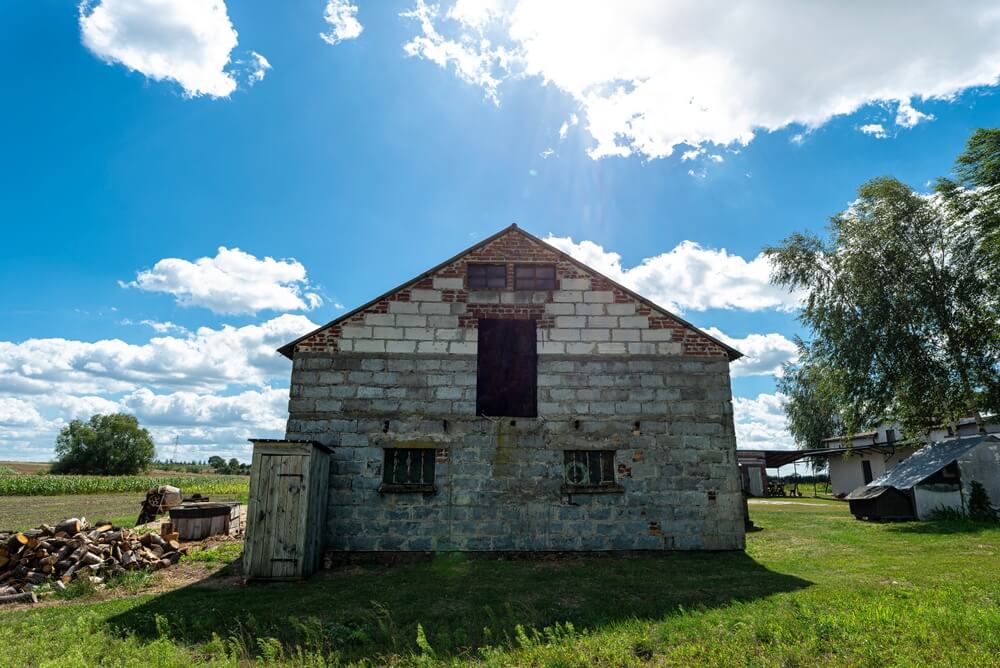
What to Do If You Suspect Asbestos
1. Don’t Disturb It, leave it alone
Avoid entering, drilling, cutting, or attempting to dismantle the shed until you know what you’re dealing with.
2. Arrange Professional Testing
Dingo Services offers asbestos inspection and testing services across Perth and regional WA. Our team can safely assess the structure, take samples if needed, and provide a clear plan for removal, keeping you and your family safe.
👉 Book an inspection with Dingo Services today!
3. Plan for Safe Removal
If asbestos is confirmed, the next step is to have the asbestos removed by trained and licensed professionals, who follow strict guidelines, maybe even consider having the shed/ garage dismantled and totally cleared away for you In many cases, shed and garage demolitions are fast, low-cost, and completed within a day, or two at most.
Shed and Garage Demolition Is Easier Than You Think
For asbestos sheds with good access and no complex connections (Power / Water) to the home, demolition and removal can be done quickly and with minimal disruption to your daily activities, quite often our clients go about their normal daily routines, go to work in the morning come home and were all done all completed, cleared away site cleaned and tested. No debris or waste left on site, just a space where they used to have a shed of garage, we really make it that easy for you and offer the reassurance everything has been completed in a safe manner.
At Dingo Services, we:
- Safely remove asbestos roofing and cladding
- Dismantle the shed structure
- Transport and dispose of all hazardous material at licensed WA facilities
- Leave the site clean and ready for new works
- Often the existing concrete slab is left in place if the client is replacing like for like, thus saving costs, or we will remove the slab if the client requests it.
We’re fully licensed, insured, and experienced with all types of asbestos outbuildings – from backyard sheds to double garages.
👉 Learn more about our Residential Asbestos Removal
👉 Explore our Demolition Services
Can I Just Remove the Shed Myself?
In Western Australia, you must be licensed to remove more than 10m² of non-friable asbestos-containing material. Even if your shed is smaller, DIY removal is strongly discouraged. Without the proper equipment, PPE, and disposal permits, you’re putting yourself and others at risk.
Fines may also apply for improper removal or dumping.
Testing is Quick and Easy
If you’ve got an old shed sitting in the backyard, it’s worth asking: Is this made from asbestos?
The answer could affect your safety, your neighbours, and your future plans for the property.
Don’t guess. Get it checked.
With over 25 years of experience, Dingo Services makes asbestos shed removal fast, safe, and stress-free. Whether you want to clear the space or replace the structure, we’ll handle the hard part so you can move forward with confidence.
Get in Touch
Contact Dingo Services today to book an inspection or request a no-obligation quote.
📞 Call (08) 6117 8900 or Request a Quote to get started.
We’re here to help – WA owned, WA operated, and always safety first.


